
Energy Storage
Lithium-ion battery energy storage systems face thermal runaway risks, rapid fire propagation, re-ignition, and hazardous gas release. Advanced solutions for early detection, explosion protection, and fire suppression are essential.
Key Challenges
Early Detection Challenges
Thermal runaway events are difficult to detect in their early stages.
Toxic and Combustible Gases
Battery failures may release hazardous gases, including hydrogen (H₂) and carbon monoxide (CO).
Rapid Fire Propagation
Fires can spread quickly and may re-ignite after suppression.
High-Density Battery Layouts
Closely spaced battery clusters can accelerate fire propagation.
Detection Challenges in Enclosed Containers
Fire and gas detection can be more difficult in containerized energy storage systems.
Electromagnetic Interference
Strong electromagnetic interference can affect system reliability and equipment performance.
Battery Container / Battery Enclosures
Challenges by Area
- Electromagnetic interference can increase the risk of false alarms and affect detection reliability
- Limited smoke generation during the early stages of thermal runaway may delay activation of conventional fire detection systems
- Combustible gases can accumulate in enclosed battery enclosures, creating potential explosion hazards
- Closely spaced battery clusters can accelerate thermal runaway propagation
- High re-ignition potential and complex firefighting requirements increase incident severity
- High reignition risk and difficult firefighting
Solutions
- Reliable detection in high-electromagnetic-interference environments
- Multi-criteria monitoring of smoke, heat, and combustible gases
- Early thermal runaway detection at the battery pack level
- Integrated detection and suppression for rapid incident response
Featured Products
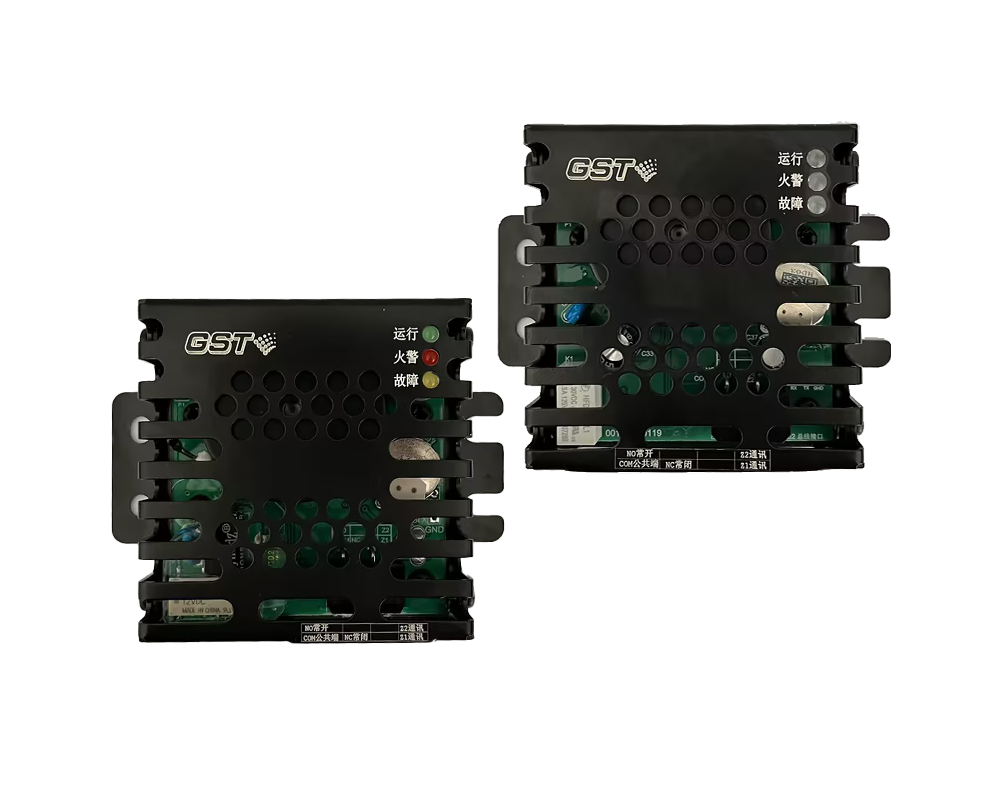
Interference-Resistant Smoke/CO Detector (CCC)
Learn More →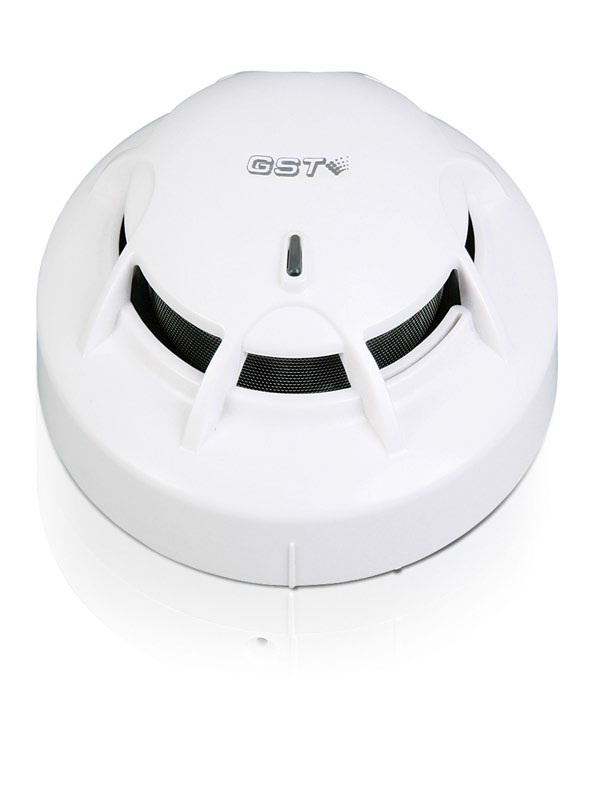
Smoke Fire Detection Device for Energy Storage Stations (EN/UL)
Learn More →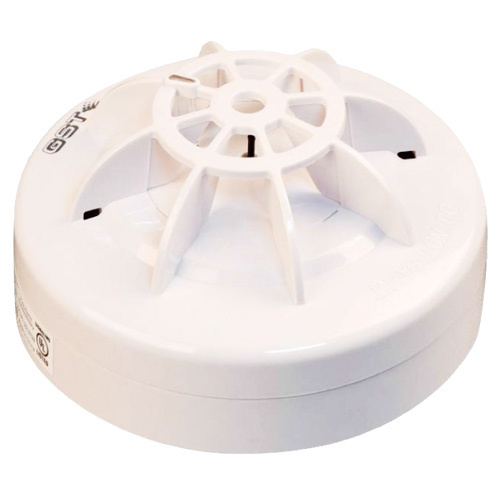
Heat Fire Detection Device for Energy Storage Stations (EN/UL)
Learn More →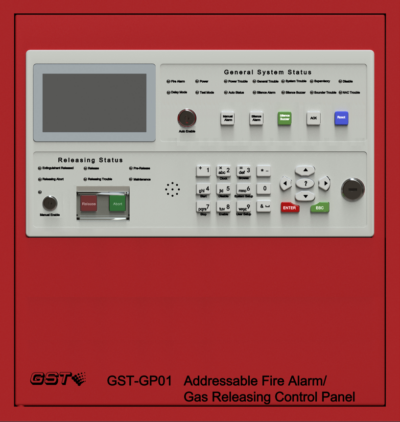
Gas Releasing Control Equipment (UL)
Learn More →Power Distribution and PCS Room
Challenges by Area
- Continuous full-load operation increases overheating and fire risks.
- High-density cabling can lead to short-circuit and electrical fire hazards.
- Unattended operation may delay fault detection and incident response.
Solutions
- Deploy aspirating smoke detection for early fire warning.
- Install heat detection systems to provide enhanced protection against overheating conditions.
Featured Products
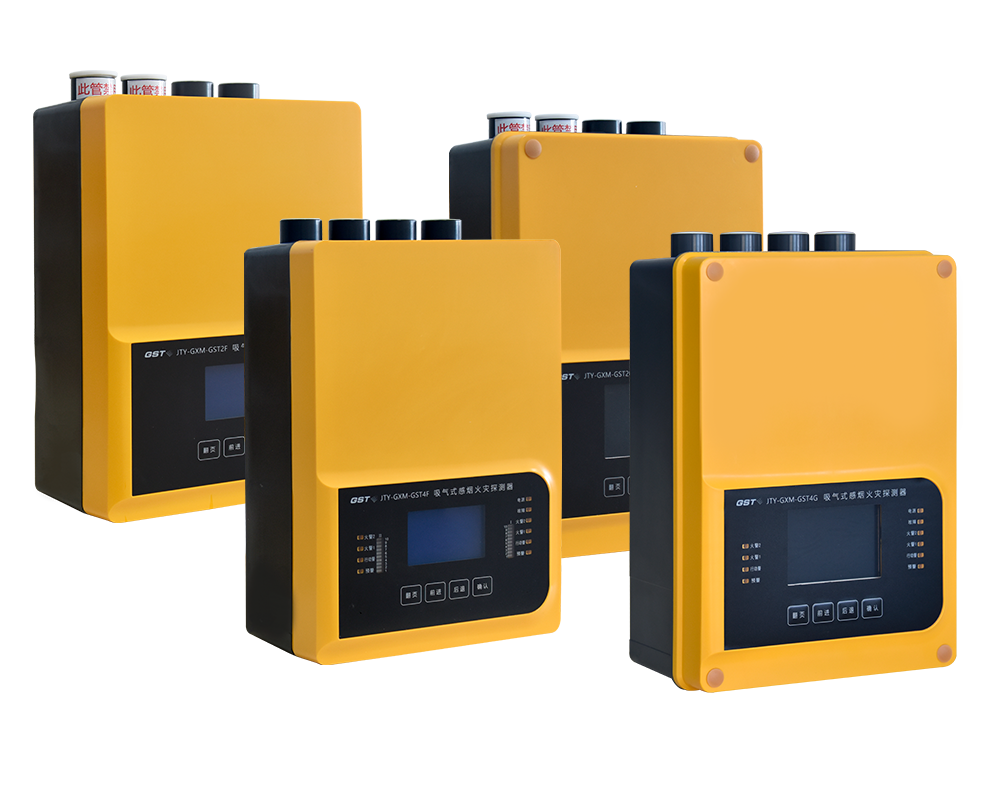
Aspirating Smoke Detector (CCC)
Learn More →Heat Detector (EN/UL)
Learn More →Cable Tunnels & Cable Trenches
Challenges by Area
- Cable overloading and overheating risks
- Arc fault hazards at cable joints
- Rapid fire spread in long cable routes
Solutions
- Linear heat detection for cable trays
- Distributed fiber-optic temperature monitoring for cable tunnels and trenches
Featured Products
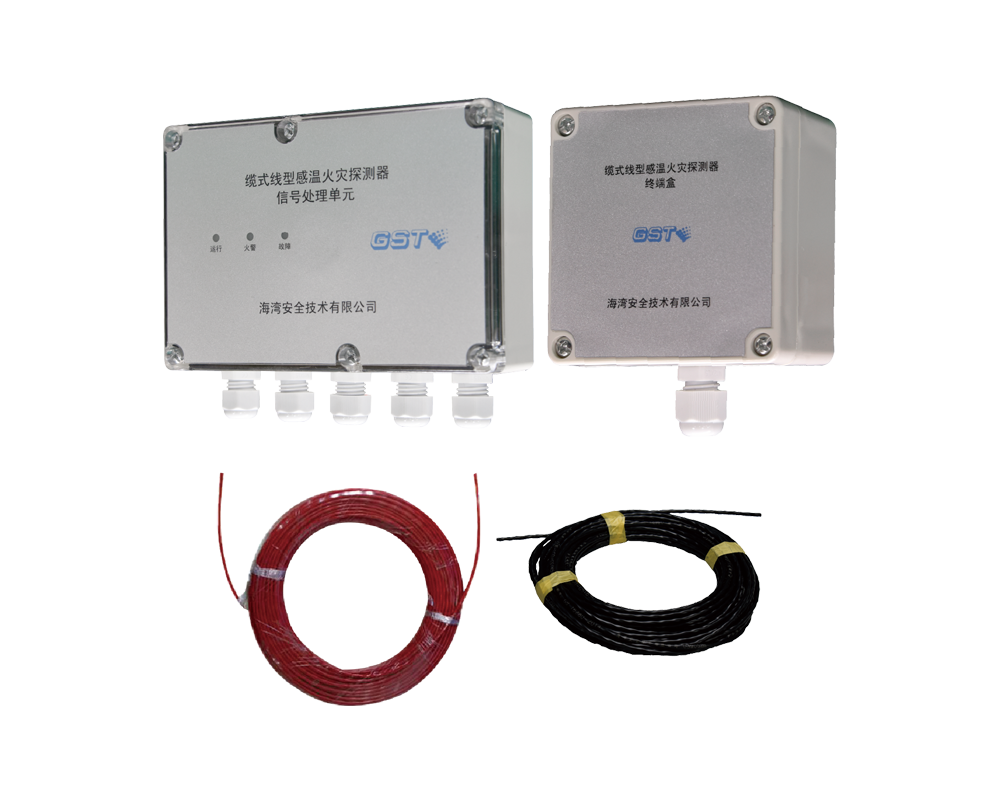
Linear Heat Detection Cable (CCC)
Learn More →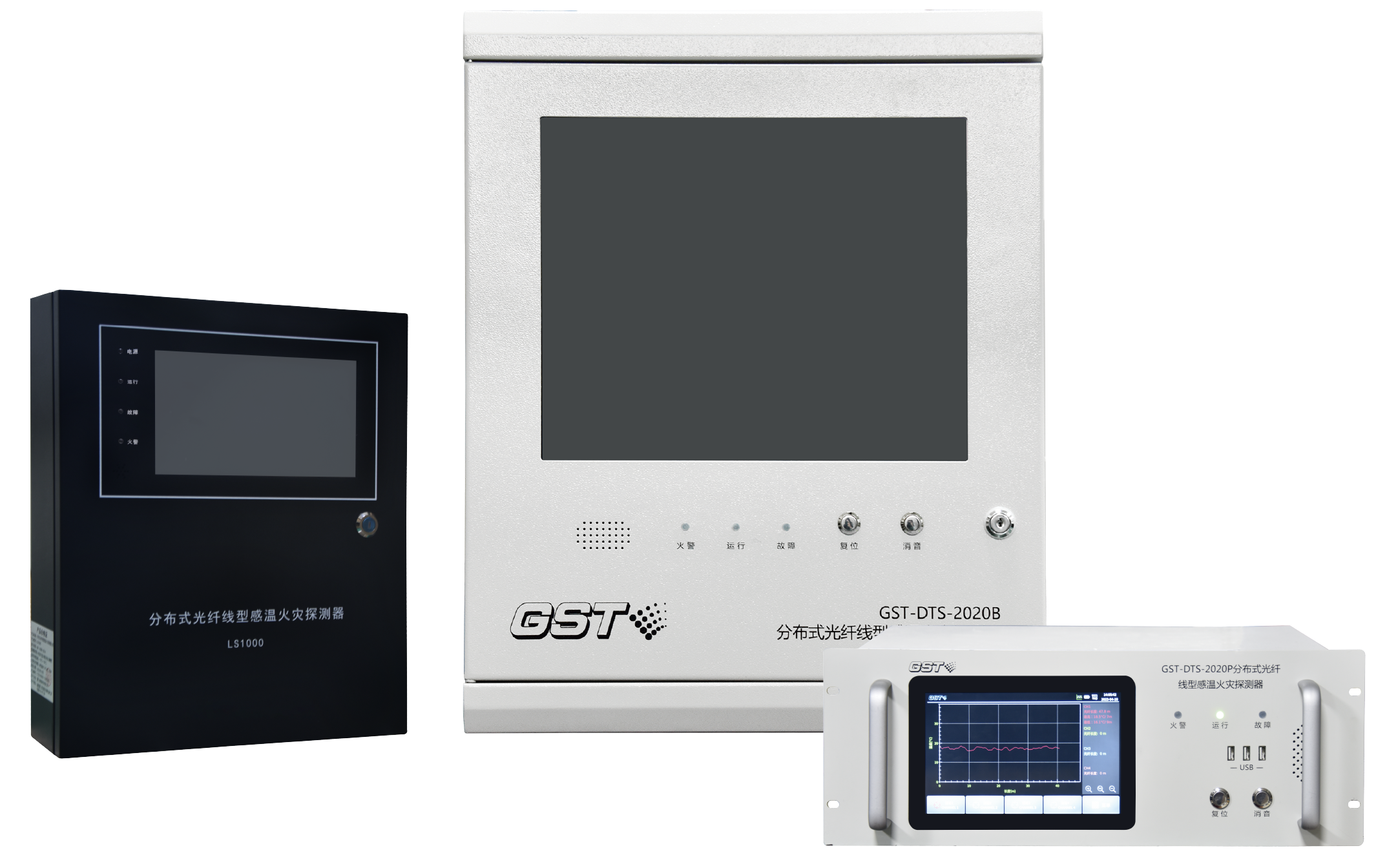
Distributed Fiber-Optic Heat Detector (CCC)
Learn More →
Let's Discuss Your Fire Safety Needs
Connect with our team to explore solutions tailored to your needs.

Address: 80 Changjiang East Road, Economic & Technology Development Zone, Qinhuangdao, Hebei, China

Phone: 400 612 0119

Email: gst.qhd@kgsolutions.com