
Semiconductor
Semiconductor facilities face unique fire protection challenges due to high-value assets, sensitive cleanroom environments, and the critical need for uninterrupted operations. Early detection and reliable suppression are essential to minimizing risk and protecting production continuity.
Key Challenges
Complex Evacuation Routes
Complex facility layouts, long evacuation paths, and physical obstacles can hinder emergency response and evacuation.
Connected Cleanroom Environments
Sealed cleanrooms, interconnected ducts and interstitial spaces, and high air-exchange rates can accelerate smoke migration and complicate fire detection.
Hidden Cabinet Smoldering
Smoldering fires can develop deep inside equipment cabinets, producing minimal smoke and making early detection more challenging.
Production Areas
Challenges by Area
- High-value assets and costly production downtime demand the earliest possible fire detection.
- High airflow in cleanroom environments can dilute smoke and delay detection.
- Concealed spaces, complex layouts, and large coverage areas increase maintenance and system management challenges.
Solutions
- Deploy aspirating smoke detection technology throughout cleanrooms and critical process areas, including SMT, packaging, and etching operations, for ultra-early fire detection and enhanced business continuity.
Featured Products
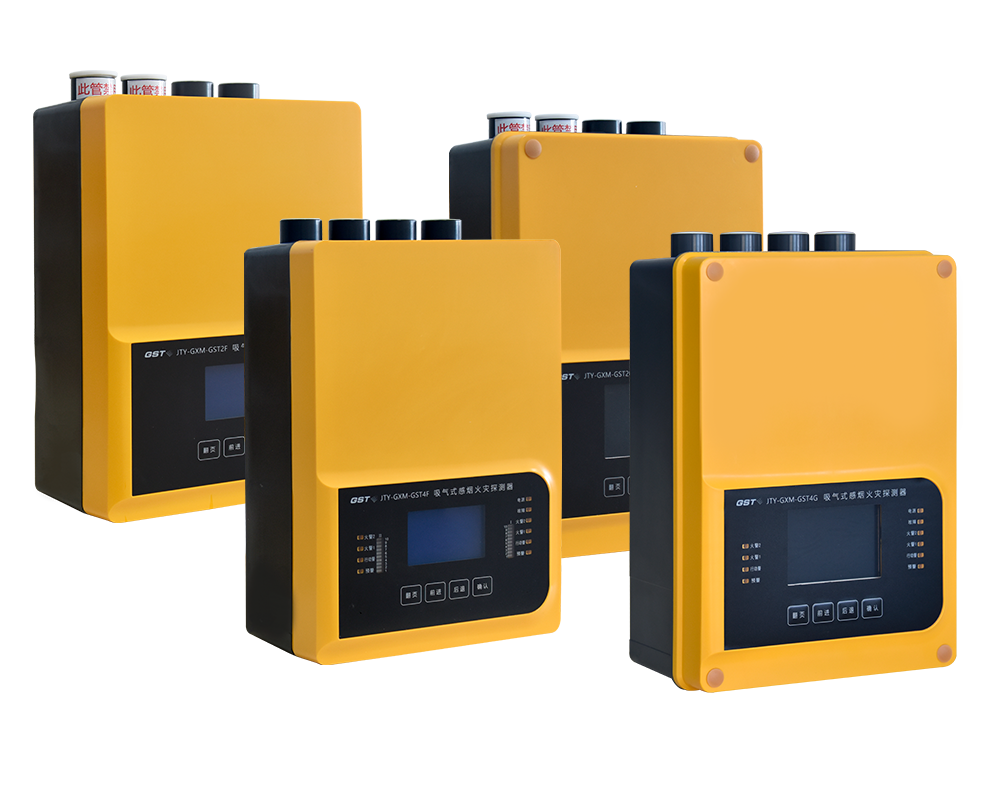
Aspirating Smoke Detector (CCC)
Learn More →Auxiliary Facilities
Challenges by Area
- Early detection requirements for high-value assets and critical operations
- Smoke dilution caused by airflow, water vapor, and process gases
- Detection blind spots in confined and complex environments
- Detection reliability in heat, dust, and static-prone conditions
Solutions
- Deploy aspirating smoke detection technology in equipment maintenance rooms, material preparation areas, and other critical locations requiring ultra-early fire detection.
Featured Products
Aspirating Smoke Detector (CCC)
Learn More →Utilities & Support Facilities
Challenges by Area
- Hidden heat sources in continuously operating electrical equipment
- Rapid fire spread through cable shafts and interlayers
- Cable overheating and insulation degradation
- Arc fault risks from electrical system failures
Solutions
- Deploy aspirating smoke detection technology in power distribution rooms, UPS rooms, HVAC and air handling systems, and other critical areas requiring ultra-early fire detection.
- Install linear heat detection cables to provide continuous monitoring and early fire warning for cable trays, cable interlayers, and cable trenches.
Featured Products
Aspirating Smoke Detector (CCC)
Learn More →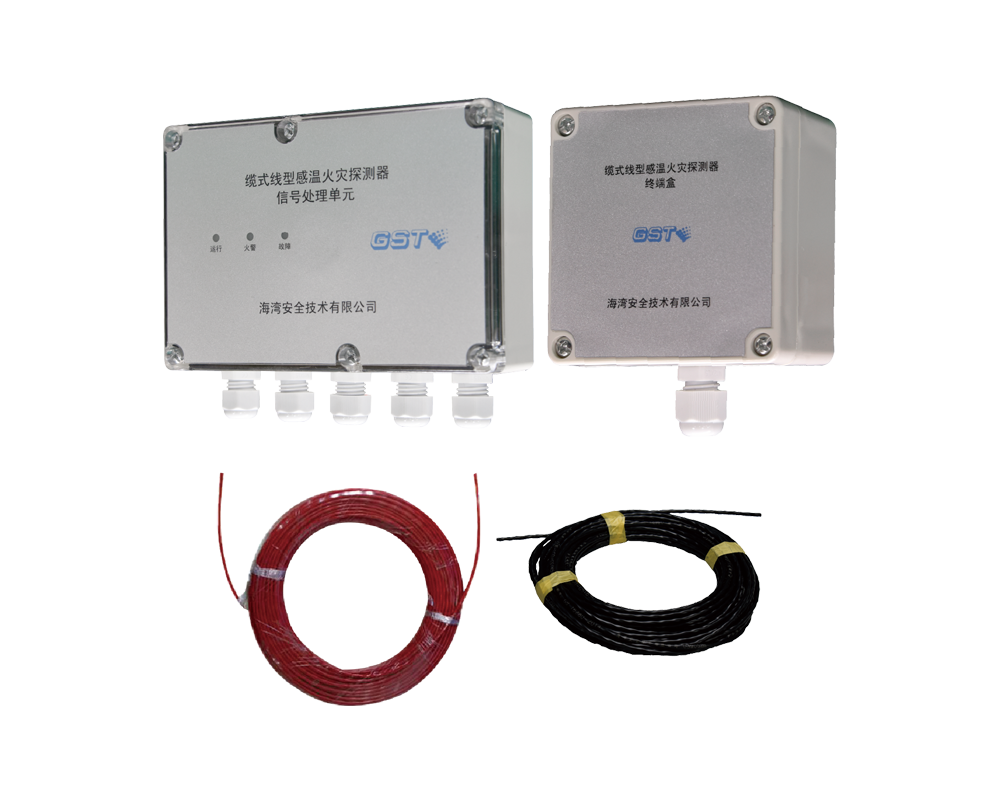
Linear Heat Detection Cable (CCC)
Learn More →
Let's Discuss Your Fire Safety Needs
Connect with our team to explore solutions tailored to your needs.

Address: 80 Changjiang East Road, Economic & Technology Development Zone, Qinhuangdao, Hebei, China

Phone: 400 612 0119

Email: gst.qhd@kgsolutions.com